Vice President of Development Candidates
Information on National Council
Phi Sigma Pi’s National Council was formed in 1925 and provides strategic direction for Phi Sigma Pi. This is equivalent to how a board of directors works for any other non-profit entity. The National Council, collectively, works as a team to provide ideas, feedback, and direction to the National Staff. The National Staff take these ideas to develop and implement projects.
It is important to note that the National Council does not conduct the day-to-day work of running the Fraternity. The day-to-day operations are handled by our full-time professional staff, led by the Executive Director. The National Staff ensure that chapter development, member development, alumni development, and philanthropy development are adequately addressed within Phi Sigma Pi.
The Vice Presidents of Development actively work with the rest of the National Council to provide strategic direction. They help in implementing comprehensive development strategies to improve Phi Sigma Pi.
Information on Vice President of Development (VPD) Nominees
Nominees were asked a series of questions on their applications that spoke to their readiness to serve on a board of directors of a non-profit organization. The nominees are listed here in alphabetical order by last name. Their full profiles are below.
Nominees (in alphabetical order)
Chris Costantino
Michael Covin
Tate Few
Ellie Laughinghouse
Shane Miller
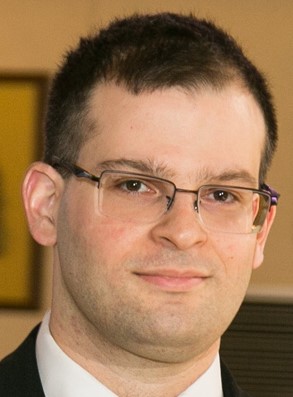
Chris Costantino
Gamma Xi Chapter ’06
Current employment status: Full-Time
Chris Costantino: In what ways have you interacted with Phi Sigma Pi before applying for National Council?
I’ve previously been a member of the National Council from 2010-2012 as Senior Vice President. I am a member of the Phi Sigma Pi Foundation since 2012, served on the National Constitutional and Chapter Standards Committee for almost all of the past 15 years and held a position on the Sanctions Appeal Board from 2012 until it was disbanded a few years ago with the shift to the Standards Committee. I have also been attending National Convention and Grand Chapter every year it has been held since 2008. On the local front, I have served as an Alumni Advisor for two area Chapters, Gamma Xi and Zeta Iota at various points in the 2000s and 2010s and was awarded a Chapter Service Key from Gamma Xi in 2012.
Chris Costantino: Why is our mission important to you?
Being able to help teach and foster a community of learning, leadership, and service are critical aspects of how I live my life. It is why in my professional context I always sought out being a mentor and a leader to help grow people from that perspective, and why the mission of Phi Sigma Pi has always resonated with me. Our view of being welcoming and inclusive to all those who want to join our ranks and work to improve the world around them is a powerful message. It is important to me that our organization flourish, cherishing our original ideals while adapting to the changing societal and collegiate landscape. It is also important to me that we honor our commitment of Member for life and that we continue to provide avenues and opportunities to grow the impact our Alumni Members, especially given the current struggles we have seen in expansion and our budgetary pressures.
Chris Costantino: Why do you want to serve on Phi Sigma Pi’s National Council via appointment?
I believe I can bring two decades of business management, leadership, and experience to the Board to help get the fraternity back to a thriving situation. The moment calls for a more professional, yet more engaged, Board that has well honed skills. My history of leading in a thoughtful and strategic way, making decisions, challenging the status quo, learning lessons from the past, and navigating the challenges of the future feels consistent with the current need. I want to serve to enact change to bring about more transparency in the Board and increase opportunities for the Board to solicit feedback from Members and to work with Members via the National Development Committee and other avenues to sponsor exciting new ideas. I want to serve to give back to the organization and make sure it is around for us to celebrate many more centuries of fostering the ideals of scholarship, leadership, and fellowship. This is a pivotal time in the Fraternity with a change of Staff Leadership and blazing a new strategic direction for the next 5 year that I feel uniquely suited for.
Chris Costantino: What major issues do you see facing Phi Sigma Pi in the near future?
I believe that Phi Sigma Pi is facing several issues now that are likely more pressing then the unknown issues we may face in the future. First is the re-emergence of a negative stigma of Fraternities in the national conversation due to recent press, unrelated to our own fraternity. We need to focus on how we are different, a message that has been more and more difficult to convince new Universities of as we struggle to revitalize our collegiate base. The second issue, related to the first, is around growth, retention and engagement. We need to reinvigorate our campus recruiting and expansion efforts. We also need to better utilize our Alumni. Our pool of Alumni is huge, but our use of them, as financial resources, campus connections, advisors, etc. is minuscule. We likely utilize a small fraction of 1% of our Alumni, with most Members never reengaging at either a local or national level once graduated. This needs to change. Putting resourcing towards our Alumni, to foster communication, provide benefits, and keep more Members engaged allows us to benefit tenfold from their skills, positions, and insights to grow the fraternity and make it truly fulfill it’s purpose.
Chris Costantino: How might Phi Sigma Pi better serve its community and what ways may Phi Sigma Pi support Members in meeting our mission?
Phi Sigma Pi best serves the community by strengthening our next generation of leaders, giving them the tools and insights to make a difference. We do this through our Executive Leadership Program, through National Events like National Convention, and by instilling in our Members the importance of leadership through service, to give back to their community and to others. While it is important for the National Organization to be a present and guiding force, we also lead by giving autonomy to our Chapters, trusting them, and giving space to make mistakes, to learn, and to explore how they can best serve their community. The National Organization is operating at it’s most efficient and impactful when it can delegate responsibilities to strong leaders within our Chapters.
Chris Costantino: What priorities would you seek to accomplish during your term as VP of Development?
My Priorities closely align with where I see our current issues. We need to return to a phase of consistent and sustainable growth in the fraternity. Not simply of new individual Members, but the challenging work of navigating unfamiliar college policies and student priorities to aid in expansion and reactivation of our traditional chapters. Utilizing our connections in higher education, our alumni, and our Organizational partners such as HOBY will be critical in this process. I also want to work with the National Staff and Chapters around the country to seek new ways to collaborate with each other. This can be a traditional approach of ICR (Inter-Chapter Relations) or a new approach of more virtual National Events, facilitated by the National Office, to manage costs in a world where things are only getting more expensive. Finally, my last priority would be to provide leadership, mentoring, guidance, and oversight to our National Staff, many of whom are new to their position or to our organization as they seek to complete the much needed day to day work that keeps our Fraternity operating.
Chris Costantino: Previous Board Experience
Phi Sigma Pi – 2010-2012
Chris Costantino: What is the appropriate role of the National Council?
National Council’s role is to oversee the Organization, ensure it meets its mission, and provides clear expectations, direction, and oversight of the National Staff (through the Executive Director). Furthermore, Council sets the strategic direction, acts transparently in decisions, tends to business when Grand Chapter is not in session, and facilitates and respects the authority of the Grand Chapter to make decisions when it is in session. Finally, their role is to live the values of Phi Sigma Pi in their words and actions and model what an engaged and passionate Member can accomplish for the Organization we all cherish.
Chris Costantino: Additional relevant skills and experience to highlight
I bring skills both from my 20 year career in cybersecurity as well as my previous time serving on Phi Sigma Pi’s Board/National Council. In my day job, I manage the global cybersecurity engineering and operational program and team for a financial services company. The main function in this job is to set a direction for my team to go, and then translate those technical goals and solutions into risk statements to communicate with business leaders and the company’s owners why I believe each is a good investment for the cybersecurity return. In my field of financial services and in general the stock market, risk is a universal language and the bridge to communicate with a less technical audience. Here to, within Phi Sigma Pi, risk needs to be identified, understood, discussed, and then managed. My position also challenges me financially to plan, budget, and find efficiencies in where I incur costs. These skills will be important here to find new ways to bring Members together, whether it be for Grand Chapter or other National Events, in a cost effective way that provides a significant return for the money. Finally, from my prior time on council, I bring a wealth of knowledge of the Organization, the inner-workings of Staff and Council, and relationships with Chapters and Members. I have experience of what has worked, what didn’t work, the history of how we got to some of our current policies, procedures, and problems, and where we can learn lessons from our past selves to thrive in the future.
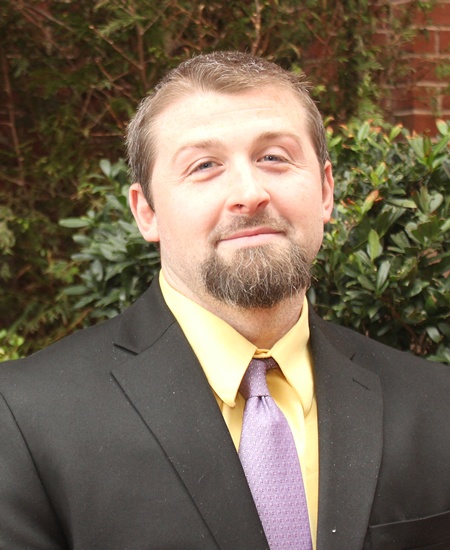
Michael Covin
He/him/his
Alpha Theta Chapter ’06
Current employment status: Full-Time
Michael Covin: In what ways have you interacted with Phi Sigma Pi before applying for National Council?
-Foundation Member (2013-present)
-Foundation Board Member (2018-2021)
-Chapter Excellence Board Advisor (2019-2026)
-Alpha Theta Chapter Advisor (2010-present)
-Capital Alumni Chapter (2017-present)
-Capital Alumni Chapter Service Chair (2018-2019)
-Capital Alumni Chapter Vice President (2019-2020)
-Capital Alumni Chapter Outreach Chair (2020-2021)
-New York Metro Area Alumni Chapter (2009-2017)
-New York Metro Area Alumni Chapter ICR Chair (2014-2015)
-New York Metro Area Alumni Chapter Communications Chair (2015-2016)
-New York Metro Area Alumni Chapter Social Chair (2016-2017)
-National Development Committees (off and on from 2013-2022)
-National Awards and Emblems Committee (2018)
-National Council Candidate 2014, 2016, and 2021
-National Staff Region Consultant (2012-2013)
-Capital Chapter Grand Chapter Delegate (2023)
-Alpha Theta Chapter President (2007-2008)
-Alpha Theta Chapter Co-Recruitment Chair (2008-2009)
-Alpha Theta Chapter Service Chair (2007)
-Alpha Theta Chapter Grand Chapter Delegate (2007)
-Leadership in Action Certified and Facilitator (2013-present)
-Executive Leadership Program Candidate (2023-present)
-Regional Conferences and Leadership Academies attendee/presenter (2007-2019)
-Volunteer of the Year Award (2023)
-Professional Fraternity Association, Outstanding Volunteer of the Year nominee (2025)
Michael Covin: Why is our mission important to you?
Our mission echoes much of what drew me into joining and has continued guide me through life: service to others and being part of something bigger than self. From advising my home chapter’s collegiate members or working with students professionally, I find inspiration in the energy of others and hope to give back in a way others gave back to me. Leadership and so much of our tripod is something our mission calls us to make part of our life. Members acquire many skills through their time with our organization that they hopefully can then lead with humanity in what ventures lie ahead. Our Members often infuse new ideas and perspectives that paired with the experience of those on National Council can allow our organization to adapt and grow. This pairing truly allows the mission to be at the core of actions, changes, and making us the strongest organization.
One of the greatest gifts of being a Member over the years is watching new Members come in and seeing them both grow themselves through the tripod and look for ways to keep our mission as a guiding principle in their lives. They both impact their chapters and communities. Our organization has often been at the forefront of positive change both nationally and more importantly locally within our chapters and members. Joining this organization has greatly impacted my life and its mission has guided me through changes and grounded me in ways I continue to give back to our organization and others I have been part of. This is connected to both professionally and personally for me. I continue to be inspired by so many who live our mission in the numerous ways they do.
Michael Covin: Why do you want to serve on Phi Sigma Pi’s National Council via appointment?
I often look at two main ways we can approach our Membership: how can we bring our passions and ideas and experiences and where can we learn and grow both locally within our chapters and nationally within our organization. This has been something that was at my core when I joined and continues to guide me and what I share with new Members. I hope to bring that combination of passion and ideas with a diverse leadership experience over my time as a Member along with numerous conversations I’ve had with endless Members including current and former Council members and knowledge gained. As important and something I’ve always put much value in is what collegiate Members share and the everchanging dynamics and challenges impacting our Members and chapters.
I joined my chapter the semester after it was re-founded and I was able to guide it through growing its membership and presence on campus while seeing successes both locally and nationally. I’ve seen the challenges my chapter has navigated and as advisor been a calm hand of guidance. This has extended to other chapters I’ve worked with and sought to provide the same guidance and resources in multiple roles. This combination of service to our collegiate Members is one of my biggest sources of inspiration for wanting to serve on National Council.
I would look to also bring board experience with executive boards at collegiate and alumni levels including our Foundation Board and two non-Phi Sigma Pi boards that involved creating a vision strategy, project work, and collaboration on goals.
I have a strong passion for this organization and what it has meant to me and it would be an honor and privilege to be able to bring my energy to assisting guide our national organization during this time.
Michael Covin: What major issues do you see facing Phi Sigma Pi in the near future?
As we’ve seen as we navigated a pandemic and a changing higher education in recent years, the impact has been felt by a lot chapters. Many chapters that have avoided being inactive are still struggling with recruitment or program operations. The National Council has been working to address in real time this dynamic and we must work to gather groupings of chapters based on their current state to give short-terms solutions and establish long-term plans knowing what we have seen. Tied to this is creating more ways beyond a National Convention to connect Members beyond their own chapter. Part of this provides an opportunity to further engage and involve Alumni Members.
Michael Covin: How might Phi Sigma Pi better serve its community and what ways may Phi Sigma Pi support Members in meeting our mission?
We can continue to think about ways we can empower Members to navigate situations within their chapters and on their campuses and ways they can give back through national and local outlets. Leadership through service and improving humanity through honor are at the core of our tripod and and mission. Members and chapters sharing best practices have made things like roundtables successful and a combination of written resources and virtual (and possibly in person) sessions that allow ideas to be shared and conversations to occur. Some of this can be taking successes seen on CORE and allowing more organic discussions. Where there are opportunities to grow collegiate and alumni involvement with HOBY and/or Gift of Life that is another way to assist Members towards our mission and philanthropic efforts. This can expand to scholarly and social efforts for chapters and our Members and allowing them be leaders in multiple ways on their campuses and around their communities. Mentorship programs and ways to connect collegiate and alumni Members are another way cause both sides would benefit from this partnership and the opportunities that would likely go beyond traditional professional mentorship to assist Members in many ways.
Michael Covin: What priorities would you seek to accomplish during your term as VP of Development?
I would look to bring voice to what I see with our Members and chapters and work with others on National Council to build a vision that brings urgency to address Membership recruitment, retention, and engagement. This would be jumping into the National Council’s data over the last year and working with National Staff and Collegiate and Alumni volunteers to best see who and how we can work with chapters on their most pressing needs. This includes assessing where chapters can be brought back and where others could be activated. As important will be making sure through these efforts we are ensuring accessibility and financial stability as an organization. I would look to see through mentorships, chapter assistance, national projects, financial support, and other ways expand how we keep alumni engaged and involved. Part of this can include with National Staff find ways to increase resources and grow ideas into events like virtual roundtables or region events. Many great initiatives and ideas have come from Members especially collegiate ones and would look to grow ways they impact chapters and our organization and beyond.
Michael Covin: Previous Board Experience
-Phi Sigma Pi Foundation Board (2018-2021)
-Alpha Rho of Chi Psi Alumni Association and Advisory Board (2013-2022)
-Rutgers University Dance Marathon Alumni Board (2013-2015)
Michael Covin: What is the appropriate role of the National Council?
National Council has become more of a strategic planner creating a vision that empowers National Staff to work with our Members to strive towards goals of that strategic plan. I’d like to see this grow with how we can use Alumni Members especially but also Collegiate Members to assist with National Council vision plans. National Council should keep our mission and its Members in mind as it does this and leads the organization and should look to work together collaboratively. They should be viewed as accessible and transparent and critical thinkers and decisionmakers leading with empathy.
Michael Covin: Additional relevant skills and experience to highlight
-part of leadership team professionally that requires me to make program decisions in various pressure situations keeping our mission and participants and staff at the forefront of them that best serves them and puts them in a successful situation
-evaluate staff and make occasional tough decisions
-assess candidates and look to make the best decisions with hiring
-leadership and board experiences with collegiate and alumni chapters as well as Foundation Board as boards with other alumni organizations connected to collegiate entities
-conflict management
-team building
-project planning and task implementation
-budget/finances
-non-profit work
-education
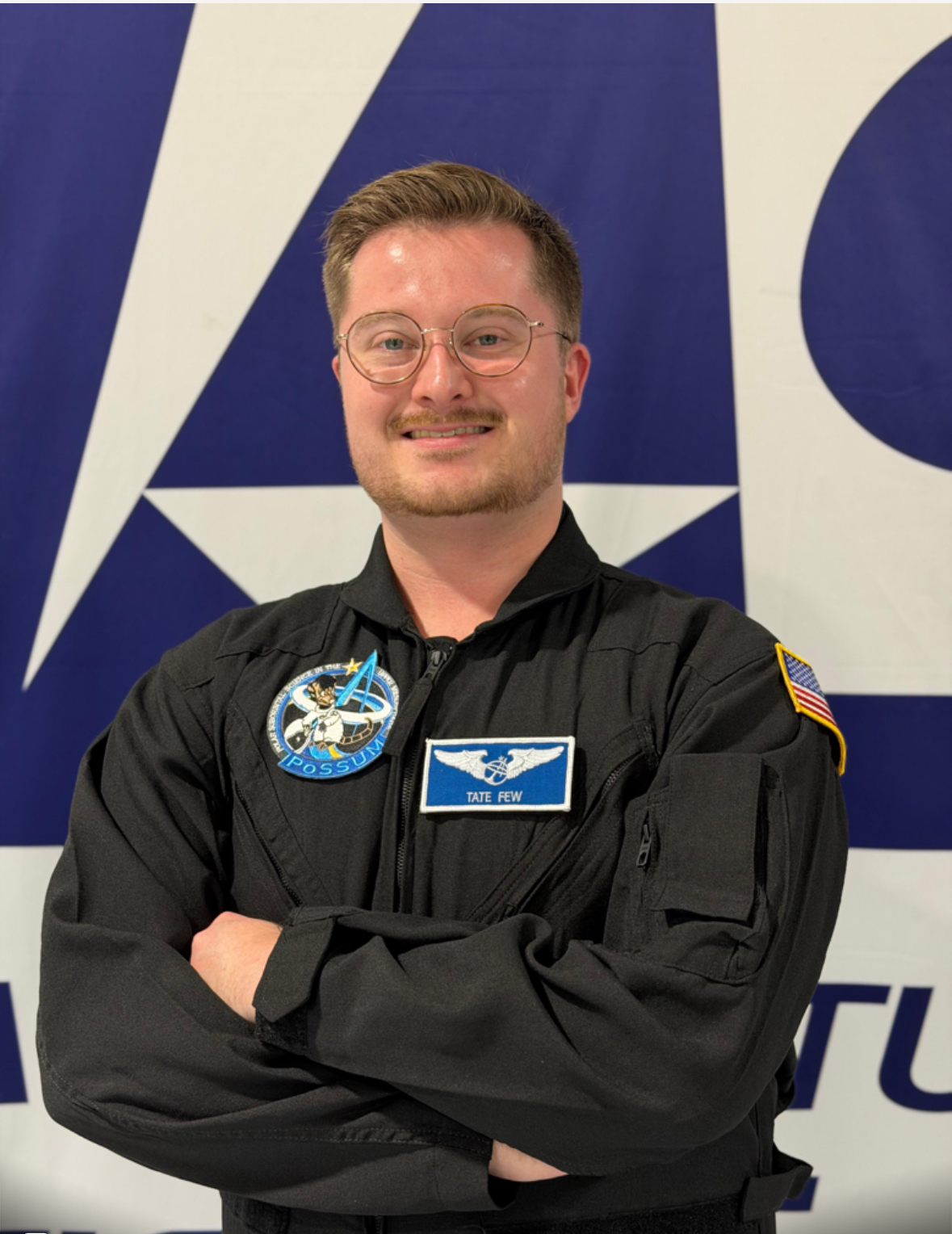
Tate Few
he/him/his
Zeta Xi Chapter ’20
Current employment status: Full-Time
Tate Few: In what ways have you interacted with Phi Sigma Pi before applying for National Council?
- Fall 2021: Leadership-In-Action Certified
- Diversity, Equity, and Inclusion Specialization Certified
- Critical Thinking Specialization Certified
- Communication Specialization Certified
- 2021-2023: Leadership-In-Action Facilitator
- 2021-2022: Zeta Xi Chapter Vice President
- 2022: Constitution and Chapter Standards Committee Member
- 2023: ELP Review Board Member
- 2022-2023; 2024-2026: Chapter Excellence Board Development Advisor
- 2023-2025: Metrolina Alumni Chapter Recruitment Coordinator
Tate Few: Why is our mission important to you?
Phi Sigma Pi’s mission is important to me because its Tripod of Scholarship, Leadership, and Fellowship reflects values that have shaped my education and personal development. During my undergraduate years at Coastal Carolina University, Phi Sigma Pi provided a community that encouraged me to grow academically, develop as a leader, and build meaningful relationships with others who shared a commitment to achievement and service.
Scholarship is especially meaningful to me because it extends beyond academic performance. Phi Sigma Pi encouraged me to view education as a lifelong pursuit and to remain intellectually curious beyond the classroom. That foundation has continued to influence me as I have pursued graduate and professional education. I also value Phi Sigma Pi’s commitment to advancing scholarship by providing members with educational resources, scholarships, professional development, and opportunities to continue learning throughout their lives.
Leadership is equally important. My undergraduate experience helped me develop the confidence to take on responsibilities, collaborate with others, and contribute to my community. Phi Sigma Pi provides members with opportunities to lead within their chapters, participate in service, attend national programs, and develop skills they can carry into their careers and communities. These experiences reinforce my belief that leadership is ultimately about using your abilities to serve others and create positive change.
Finally, Fellowship brings Scholarship and Leadership together. At Coastal, Phi Sigma Pi gave me a community of people who supported one another and encouraged each other to succeed. The relationships and sense of belonging I experienced showed me the importance of surrounding yourself with people committed to shared values.
For me, the Tripod did not end at graduation. Scholarship, Leadership, and Fellowship continue to guide how I learn, lead, serve, and build relationships today.
Tate Few: Why do you want to serve on Phi Sigma Pi’s National Council via appointment?
I want to serve as Vice President of Development because I want to help ensure that Phi Sigma Pi continues to provide meaningful opportunities for Members during and long after their collegiate experience. Phi Sigma Pi had an important impact on me during my time at Coastal Carolina University, and serving on the National Council would give me an opportunity to give back to an organization that contributed to my own development.
I am particularly drawn to the Vice President of Development position because strengthening an organization requires both a clear vision and the resources and relationships necessary to accomplish it. I want to help expand Phi Sigma Pi’s capacity to support scholarships, leadership development, educational programming, and other opportunities that directly benefit Members and advance the Fraternity’s mission.
I would also bring experience building and advancing organizations outside of Phi Sigma Pi. Through my professional, nonprofit, and educational experiences, I have learned the importance of developing partnerships, communicating an organization’s mission, engaging stakeholders, and turning ambitious ideas into achievable goals. I believe those experiences would allow me to bring a valuable perspective to the National Council while also learning from other Members and leaders across the Fraternity.
Most importantly, I want to help strengthen Phi Sigma Pi for the next generation of Members. Serving as Vice President of Development would allow me to give back while helping create the resources, opportunities, and relationships that enable Members nationwide to experience the same Scholarship, Leadership, and Fellowship that made Phi Sigma Pi meaningful to me.
Tate Few: What major issues do you see facing Phi Sigma Pi in the near future?
I believe two of the most important issues facing Phi Sigma Pi are chapter retention and ensuring that chapters receive the support necessary to remain successful. Recruitment is important, but the long-term strength of the Fraternity also depends on retaining existing chapters, maintaining engaged Members, and identifying struggling chapters before their challenges become too difficult to overcome.
Chapter retention requires understanding why chapters struggle. Membership numbers, leadership transitions, financial challenges, and member engagement can all affect a chapter’s sustainability. I believe Phi Sigma Pi should continue developing proactive ways to identify chapters that need assistance and connect them with resources, alumni, National Office support, and successful practices from other chapters.
Chapter support is closely connected to this issue. Chapters should feel that the National organization is a partner in their success. That means providing strong leadership resources, accessible training, opportunities for collaboration between chapters, and meaningful communication between collegiate Members, alumni, National Staff, and National Council.
Ultimately, I want Phi Sigma Pi not only to grow by establishing new chapters, but also to invest in the chapters and Members we already have. Long-term growth requires both expansion and retention.
Tate Few: How might Phi Sigma Pi better serve its community and what ways may Phi Sigma Pi support Members in meeting our mission?
I believe Phi Sigma Pi can best serve its community by ensuring that Scholarship, Leadership, and Fellowship translate into meaningful opportunities for Members, chapters, campuses, and the communities they serve.
One of the most important ways to accomplish this is through stronger chapter support. Chapters understand the needs of their campuses and communities, so the National organization should provide resources, training, funding opportunities, and guidance that help them succeed. Investing in existing chapters also strengthens chapter retention and demonstrates the value of continued membership.
Phi Sigma Pi can further serve its community through scholarships, leadership development, mentoring, professional networking, and service opportunities. Greater engagement between alumni and collegiate Members can be particularly valuable. Alumni possess professional knowledge and experiences that can benefit current Members while providing alumni meaningful opportunities to remain involved.
Members also have an important responsibility in advancing Phi Sigma Pi’s mission. We can support the Fraternity by mentoring other Members, volunteering with chapters, participating in National programs, contributing financially when possible, sharing professional expertise, and remaining engaged after graduation. Members can also advance the Tripod by pursuing scholarship, practicing responsible leadership, and building genuine fellowship within their own communities.
Tate Few: What priorities would you seek to accomplish during your term as VP of Development?
If selected Vice President of Development, my two primary priorities would be increasing the number of individual Members within Phi Sigma Pi and strengthening chapter support to improve retention of our existing Members.
First, I would focus on growing individual membership by demonstrating the value that Phi Sigma Pi can provide throughout a Member’s life. We should continue expanding opportunities in scholarship, leadership development, professional networking, mentoring, service, and alumni engagement. Growth should not simply be about increasing numbers, but it should be about giving people meaningful reasons to join, participate, and remain connected to Phi Sigma Pi.
Second, I would prioritize supporting our existing chapters and Members. Sustainable growth cannot occur if we recruit new Members while losing those we already have.
These priorities are ultimately interconnected. Strong chapters create positive Member experiences, positive experiences improve retention, and engaged Members become some of our best advocates for attracting new Members. As Vice President of Development, I would focus on creating that cycle of growth and retention so that Phi Sigma Pi can expand its reach while continuing to invest in the Members and chapters that already make our organization strong.
Tate Few: Previous Board Experience
Space Debris Foundation – 2023-Current
Tate Few: What is the appropriate role of the National Council?
I believe the National Council’s role is to provide strategic leadership, establish long-term priorities, and represent the interests of the entire Fraternity. It must look beyond their individual chapters and experiences to make decisions that promote sustainable growth and benefit all Members. Equally important is maintaining a collaborative relationship with National Staff, recognizing that Council provides strategic direction and oversight while empowering staff to manage daily operations. Effective governance requires communication, accountability, and respect. Ultimately, the National Council should remain focused on strengthening Phi Sigma Pi while ensuring its mission of Scholarship, Leadership, and Fellowship continues to guide its future.
Tate Few: Additional relevant skills and experience to highlight
I believe my experience in nonprofit leadership, organizational development, and law would allow me to contribute meaningfully to the National Council. As the founder of the Space Debris Foundation, I have overseen the organization’s growth, expanded its international presence, and developed relationships with major organizations, including the International Astronautical Federation, the European Space Agency, NASA, and the United Nations. These experiences have strengthened my skills in strategic planning, membership development, partnership building, and organizational sustainability.
Additionally, my legal education and experience, particularly in nonprofit law, have provided me with valuable knowledge of organizational governance, regulatory compliance, and fiduciary responsibilities. As an Advanced Certified Non-Profit Professional, I also bring specialized training in nonprofit management and development. Together, these experiences have prepared me to support Phi Sigma Pi’s growth, strengthen Member engagement, and advance the Fraternity’s long-term strategic priorities.
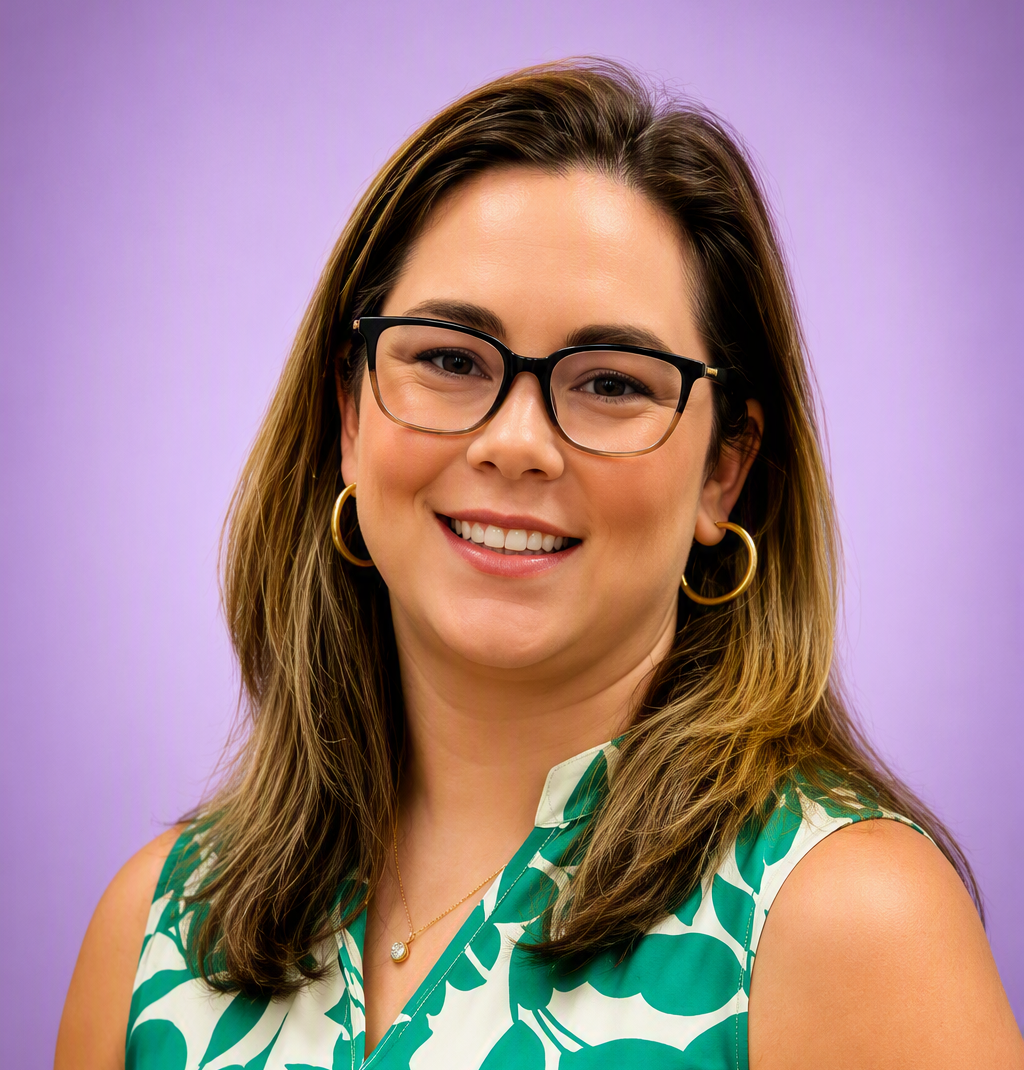
Ellie Laughinghouse
She/Her
Tau Chapter ’10
Current employment status: Full-Time
Ellie Laughinghouse: In what ways have you interacted with Phi Sigma Pi before applying for National Council?
My involvement with Phi Sigma Pi spans both my collegiate and alumni experience and reflects a longstanding commitment to the ideals of Scholarship, Leadership, and Fellowship.
As a member of the Tau Chapter at East Carolina University, I served as a Committee Chair and Chapter Officer, developing leadership skills that continue to guide my professional and volunteer service today. As an Alumna, I have remained an active member the National Alumni Association and a Chapter Officer for the Eastern North Carolina Alumni Chapter. I am a proud supporter of the Phi Sigma Pi Foundation, serving as a Foundation member since 2012 and later on the Foundation Board of Directors, including three years as National President.
At the national level, I have served on several committees, including Constitution and Chapter Standards, Awards, Scholarships, and Emblems, and the National Philanthropy Ad-Hoc Working Group. These opportunities allowed me to contribute to organizational governance, member recognition, chapter success, and philanthropic advancement.
I have also served as a Grand Chapter Delegate and Alternate Delegate representing my collegiate chapter, alumni chapter, and the National Alumni Association in Fraternity governance discussions.
Through each of these roles, I have sought to support the growth and sustainability of Phi Sigma Pi while helping create opportunities for members to develop as scholars, leaders, and lifelong friends. My continued service reflects both my passion for the Fraternity and my belief in the lasting impact of its mission.
Ellie Laughinghouse: Why is our mission important to you?
Phi Sigma Pi has had a profound impact on my life and continues to influence how I approach both personal and professional relationships. The Fraternity instilled in me a commitment to lifelong learning, personal growth, and servant leadership that has shaped my career, volunteer service, and interactions with others. The ideals of Scholarship, Leadership, and Fellowship are not simply concepts I learned as a member; they have become guiding principles that influence how I make decisions, build relationships, and support those around me.
What makes our mission especially meaningful is the tangible impact our Brothers and Chapters have on their communities. Across the country, members dedicate their time, talents, and resources to serving others, developing future leaders, and creating environments where individuals can grow academically, professionally, and personally. I have witnessed firsthand how Phi Sigma Pi empowers members to achieve more than they thought possible while creating lifelong bonds rooted in shared values.
I also deeply appreciate the culture and uniqueness of our Brotherhood. While every Chapter has its own identity and traditions, we are unified by a common purpose and the enduring connection established through our Ritual. That shared experience creates a sense of belonging that transcends geography, generation, and background.
As our organization continues to evolve, I believe it is essential that we preserve and strengthen the mission that has positively impacted so many lives. I am passionate about ensuring Phi Sigma Pi has the resources and support necessary to continue its legacy of Improving Humanity with Honor and providing transformative experiences for future generations of Brothers.
Ellie Laughinghouse: Why do you want to serve on Phi Sigma Pi’s National Council via appointment?
I am seeking appointment to National Council because I believe my experience, perspective, and passion for Phi Sigma Pi can help advance the organization at a pivotal time in its history. Throughout my service as a collegiate member, alumni member, Foundation Board member, and Foundation President, I have developed a deep appreciation for both the opportunities and responsibilities that come with stewarding a values-driven organization.
What motivates me most is the opportunity to help ensure Phi Sigma Pi remains strong, relevant, and accessible for future generations of Brothers. Our organization has a unique ability to develop individuals through Scholarship, Leadership, and Fellowship while creating a lifelong sense of belonging. As someone who has benefited from that experience for more than fifteen years, I feel a responsibility to help sustain and strengthen it for others.
Professionally, I lead teams, manage complex initiatives, navigate risk, and build consensus among diverse stakeholders. Those experiences have strengthened my strategic thinking, financial stewardship, governance, and change management capabilities. Combined with my years of Fraternity service, I believe I can contribute thoughtfully to National Council discussions and help translate strategy into meaningful outcomes for members.
I am particularly energized by the opportunity to support long-term organizational growth, strengthen member and alumni engagement, and ensure the Fraternity has the resources necessary to fulfill its mission. Most importantly, I would approach the role with humility, collaboration, and a commitment to serving the best interests of the Brotherhood.
National Council service represents an opportunity to give back to an organization that has enriched my life while helping position Phi Sigma Pi to continue Improving Humanity with Honor for decades to come.
Ellie Laughinghouse: What major issues do you see facing Phi Sigma Pi in the near future?
I see two significant challenges facing Phi Sigma Pi in the near future.
First, recruitment and expansion will continue to be critical as colleges and universities experience shifting enrollment trends, changing student priorities, and increased competition for students’ time and involvement. Phi Sigma Pi will need to demonstrate its unique value proposition and continue adapting recruitment and retention strategies to ensure Chapters remain healthy, engaged, and sustainable while preserving the quality of the member experience.
Second, alumni engagement and support represents both a challenge and an opportunity. As members graduate and move into different stages of life, maintaining meaningful connections to the Fraternity becomes increasingly important. Strengthening alumni engagement can provide valuable mentorship opportunities, volunteer support, professional networking, and financial resources that benefit collegiate members and advance the organization’s long-term goals.
Addressing these issues successfully will require strategic thinking, innovation, and collaboration between collegiate members, alumni, volunteers, and national leadership. By investing in both member growth and lifelong engagement, Phi Sigma Pi can continue building a strong future while remaining true to advancing the ideals of Scholarship, Leadership, and Fellowship.
Ellie Laughinghouse: How might Phi Sigma Pi better serve its community and what ways may Phi Sigma Pi support Members in meeting our mission?
I believe Phi Sigma Pi can best serve its community by continuing to prioritize the member experience and ensuring every Brother feels connected to the mission, values, and opportunities our organization provides. While programs, initiatives, and operations are important, our greatest strength has always been our members and the relationships they build through Phi Sigma Pi.
To support members in fulfilling our mission, I believe we should continue to invest in leadership development, member engagement, and chapter support while embracing what makes each Chapter unique. Every Chapter has its own culture, traditions, strengths, and impact on its campus and community. By empowering Chapters to build upon those strengths while remaining grounded in our shared values, we create an environment where members can thrive.
I also believe it is important for us to continually reinforce our identity as Phi Sigma Pi. When members understand who we are, why our mission matters, and the significance of our Ritual and shared Brotherhood, they develop a stronger sense of belonging and purpose. When we are excited about who we are as an organization, we are empowered to make a greater impact on the world around us.
Ellie Laughinghouse: What priorities would you seek to accomplish during your term as VP of Development?
If appointed as Vice President of Development, I would focus on ensuring that our development strategy directly supports membership growth, engagement, and retention. Sustainable recruitment and expansion efforts must be prioritized by ensuring Chapters have the resources, training, and support needed to attract and retain high-quality members in an increasingly competitive collegiate environment. Strong Chapters are the foundation of a strong Fraternity.
I would also prioritize initiatives that deepen members’ connection to Phi Sigma Pi’s identity and values. When Brothers understand and embrace what makes our organization unique, they develop a stronger sense of belonging and are more likely to remain engaged throughout their lives.
Additionally, I would seek opportunities to strengthen the connection between alumni and collegiate Brothers, creating pathways for mentorship, networking, volunteer service, and philanthropy. Lifelong engagement begins with a meaningful undergraduate experience.
Ultimately, my goal would be to help create an environment where every Brother feels connected to the mission, proud of their Chapter, and inspired by the Brotherhood. By strengthening the member experience and empowering Chapters to showcase what makes them unique, we can cultivate a Brotherhood that attracts, develops, and inspires members to make meaningful contributions on their campuses and in their communities.
Ellie Laughinghouse: Previous Board Experience
I have served on the Phi Sigma Pi Foundation Board of Directors from August 2016 through July 2024, initially as Director and Treasurer and concurrently as National President from August 2021 through July 2024. In these roles, I provided fiduciary oversight, supported strategic planning and organizational governance, led fundraising and donor stewardship efforts, and worked collaboratively with fellow board members to advance the Foundation’s mission and ensure its long-term sustainability.
Ellie Laughinghouse: What is the appropriate role of the National Council?
National Council’s role is to provide strategic leadership and stewardship for the Fraternity by establishing a clear long-term vision, defining priorities, and creating a roadmap for sustainable growth. Council should focus on ensuring the organization remains relevant, mission-driven, and financially sound while serving as responsible stewards of Phi Sigma Pi’s resources, reputation, and future. Through thoughtful governance, risk management, and long-range planning, National Council helps position the Fraternity for continued success and impact for generations to come.
Ellie Laughinghouse: Additional relevant skills and experience to highlight
My professional and fraternal experiences have provided me with a strong foundation in leadership, governance, strategic planning, financial stewardship, and organizational development. Professionally, I lead a large, multi-site operation supporting a highly regulated environment, where I am responsible for leading onshore and offshore teams, mitigating risk, driving process improvement, leading remediation efforts, enhancing the client experience, and delivering results through collaboration with diverse stakeholders. These experiences have strengthened my ability to think strategically, build consensus, manage change, and balance short-term needs with long-term organizational objectives.
Within Phi Sigma Pi, I have served in a variety of leadership roles at the local and national levels. As a member of the Phi Sigma Pi Foundation Board of Directors and former National President, I gained experience in nonprofit governance, fundraising, donor stewardship, budget oversight, and strategic planning. My service on national committees, including Constitution and Chapter Standards, Awards, Scholarships, and Emblems, and the National Philanthropy Working Group, provided opportunities to support member development, organizational effectiveness, and mission advancement.
Together, these experiences have reinforced the importance of servant leadership, thoughtful governance, responsible stewardship of resources, and maintaining a strong focus on the member experience. They have also prepared me to contribute meaningfully to long-term planning and decision-making that supports the continued growth, sustainability, and impact of Phi Sigma Pi.
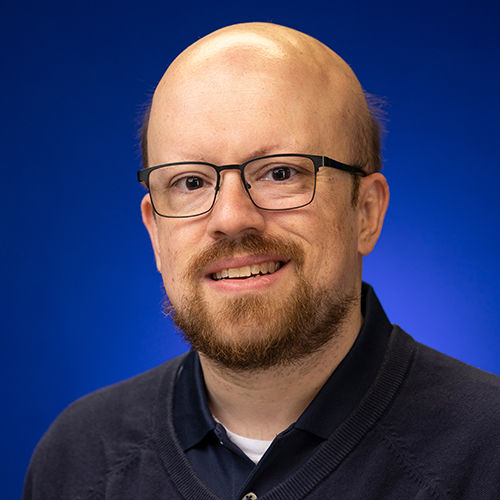
Shane Miller
he/him/his
Alpha Mu Chapter ’03
Current employment status: Full-Time
Shane Miller: In what ways have you interacted with Phi Sigma Pi before applying for National Council?
I was inducted into the Alpha Mu Chapter at West Virginia University in fall of 2003. My relationship with Phi Sigma Pi has included collegiate membership, alumni involvement, national Foundation service, and ongoing leadership development.
From 2008 to 2012, I served as National Secretary of the Phi Sigma Pi Foundation. I was serving on the Foundation Board when the Leadership in Action program was deployed, giving me a perspective on the connection between philanthropic support and opportunities for Members to develop their leadership skills.
At the time, I had questions about the proposed financial investment. Seeing the program develop helped me appreciate the importance of weighing costs alongside the long-term value of investing in our Members. That experience stayed with me as I continued participating in the Fraternity’s leadership development opportunities. I’ve seen that firsthand by attending Phi Sigma Pi’s Leadership Academy in Texas in both 2018 and 2019. More recently, I completed Tiers 1–3 of the Executive Leadership Program and am currently finishing Tier 4. These experiences reflect my commitment to continued learning and have allowed me to engage directly with the Fraternity’s leadership development opportunities.
In 2015, I was honored to receive the Chapter Service Key from Alpha Mu, recognizing both my commitment during my time in Morgantown, but also in-person alumni service until I moved away from the region to work in Houston, TX
In 2008, I ran for the role of National Secretary but came up short. In the time since, my life and experience have changed. As we know, we join Phi Sigma Pi for life and relationships with the Fraternity can grow over time. I now find myself in a position to contribute again at the national level, bringing history while remaining ready to listen and learn about the organization’s current needs.
Shane Miller: Why is our mission important to you?
Phi Sigma Pi’s mission begins shaping a Member’s life during the initiate process and stay with them long after graduation. That has been true for me. More than twenty years after joining Alpha Mu, I still see the value of our tripod in how I teach, support student leaders, and serve my community.
Scholarship reminds me that there is always more to learn. I value asking questions, hearing different perspectives, and reconsidering what I think I know. .
Leadership means stepping up, following through, and helping others find their own confidence.. Serving on the National Council would be an opportunity to accomplish the help our members and chapters achieve more than they thought possible.
Fellowship makes it personal. It is the friendships, encouragement, and sense of belonging that bring people together and give them reasons to stay connected. I want today’s Members to find relationships in Phi Sigma Pi that remain meaningful as their lives change. To this day, many of my closest friendships started back in the fall of 2003 in Morgantown when I joined the Omega class at Alpha Mu.
“Improving humanity with honor” gives all three a purpose. We have opportunities to use what we learn and the relationships we build to do something worthwhile for others. To me, honor means being dependable, treating people fairly, and taking responsibility for our decisions.
The mission matters to me because I have seen these ideas make a difference in my own life and I want the next generation of members to have that same opportunity that comes from being privileged to wear our letters.
Shane Miller: Why do you want to serve on Phi Sigma Pi’s National Council via appointment?
I want to serve because I am ready to renew my national involvement and contribute the perspective I have developed since my earlier Phi Sigma Pi service. The Fraternity helped shape my understanding of lifelong participation, and I would welcome the opportunity to help sustain that experience for others.
The Vice President of Development role, specifically, is appealing because it thinks about the fraternity strategically, identifying our needs, and working to find solutions that help turn our goals into reality. In the end, that hopefully strengthens us for the future while providing a transformative experience for the collegiate members of today.
An appointment also calls for adaptability. I would be joining an existing Council with work already underway, established relationships, and commitments to fulfill. My first responsibility would be to understand that context and identify where I could contribute most effectively. Actively listening across the initial days and weeks of the term, if appointed, would be a top priority.
I am a collaborator and consensus builder, approaches I would bring with me to the National Council. Having served across numerous organizations, I know what it takes to get the work done between meetings and the judgment to distinguish between an idea worth exploring and a commitment the organization can realistically sustain. I would also respect the constitutional appointment process and the Grand Chapter’s authority in selecting national leadership.
My motivation is to be useful: to help the Council make thoughtful decisions, complete meaningful work, and leave the organization better prepared for its next leadership transition.
Shane Miller: What major issues do you see facing Phi Sigma Pi in the near future?
I see three issues that I would, particularly, work with:
Demonstrating membership value. There are hundreds of options for engagement on a college campus, each competing for time and money. Phi Sigma Pi must communicate and, more importantly deliver, what makes our experience unique and one that undergraduates want to devote themselves toward.
Sustaining chapter leadership. We have regular turnover across our chapters, both in members and more so in officers. This can derail progress and result in loss of institutional leadership. Practical succession planning and accessible support are critical to chapter stability.
Maintaining lifelong engagement and financial resilience. We need both meaningful ways for alumni to remain involved, sustainable revenue and responsible spending. This engagement should offer opportunities suited to different interests, life stages, and capacities.
Our strategic plan addresses related concerns, but it’s timeframe also raises the question of how progress has been evaluated and what priorities will guide the next period.
I would investigate these issues and next steps through Member feedback, organizational data and analytics, and discussion with staff and Council. Every chapter is unique and has its own challenges, so I would emphasize an agile approach that meets them where they are.
Shane Miller: How might Phi Sigma Pi better serve its community and what ways may Phi Sigma Pi support Members in meeting our mission?
Phi Sigma Pi can strengthen its community impact by helping our chapters build sustained relationships with community partners that fit their circumstances and situations. Members should have opportunities to understand local needs, contribute their useful skills, and reflect on what their service accomplishes.
As a national organization, we should support that work with adaptable resources for project planning, partnership development, volunteer coordination, and impact assessment. Sharing effective chapter examples would allow Members to learn from one another while preserving local ownership. The true benefit of being a part of such a large and diverse organization is the ability to network and collaboratively grow.
Scholarship and fellowship also reinforce service. Chapters could connect educational discussions to community projects and create opportunities for Members with different perspectives to work together. It is important that accessibility be part of program design from the beginning. A meaningful contribution should be possible for Members with different schedules, financial resources, abilities, and transportation options.
Advising a high school service organization with inclusiveness as a core value consistently makes me focus on resources that make participation easier and more purposeful. Success should include what partners gain, Members learn, and whether the relationship remains valuable over time.
Shane Miller: What priorities would you seek to accomplish during your term as VP of Development?
I would begin by seeking out and listening to current members, recent graduates, and our alumni base to gain an understanding of their concerns, followed by working with fellow Council members to build a plan of activities that complements existing work and is achievable within the appointment.
My proposed priorities are:
Leadership continuity: work with Members and staff to improve or pilot an officer transition toolkit, including a handoff checklist and incoming-officer planning guide, and use chapter feedback to assess its usefulness.
Alumni pathways: develop clearly defined opportunities for alumni to contribute through mentoring, professional connections, service, or short-term volunteer assignments.
Development accountability: help translate agreed strategic priorities into specific outcomes, timelines, and measures of progress.
For each initiative, I would seek a clear owner, realistic workload, and a way to assess usefulness. I would coordinate through committees and established channels, document the work, and prepare it for the next step (or next owner, as the situation warrants). My goal would be to focus on depth of project(s) rather than breadth – utilizing skills to really dive into a project.
Shane Miller: Previous Board Experience
Charleston Ballet, Charleston, West Virginia — Board of Trustees, 2026–present.
Houston Ballet Foundation — Board of Trustees, 2020–2023. Additional service on the Development Committee and Ambassador Committee, 2017–2023.
Ars Lyrica Houston — Board of Directors, 2020–2023.
Houston Symphony Society — Board of Trustees, 2019–2022. Additional service on the Development Committee and Young Associates Steering Committee, 2017–2022.
Phi Sigma Pi Foundation — National Secretary, 2008–2012.
Key Club International — International Trustee, 2002–2003.
My board service spans student leadership, fraternity philanthropy, and performing arts organizations. These settings have provided experience with collective decision-making, mission stewardship, development, and the relationships among governing boards, staff, and volunteers.
Shane Miller: What is the appropriate role of the National Council?
The National Council is our board of directors, providing governance and strategic direction under the Constitution and the authority of the Grand Chapter. It must remember whom it serves: our Members. It sets priorities, safeguards resources, oversees organizational performance and risk, and hires and evaluates the Executive Director. It supports implementation while respecting the Executive Director’s responsibility for daily administration and staff supervision. Council Members need to remain engaged, listen, exercise sound judgment, and act in the best interests of the Fraternity.
Shane Miller: Additional relevant skills and experience to highlight
My strengths include translating broad goals into practical tools, communicating clearly with different audiences, and supporting people through leadership transitions.
As Rocky Mountain District Administrator for Key Club International, I develop officer training, advisor resources, governance guidance, and communications for a geographically dispersed organization. That work requires balancing clear expectations with support and helping student leaders exercise ownership of their responsibilities.
My collegiate teaching experience is particularly relevant to Phi Sigma Pi. I have taught history, government, business, and entrepreneurship courses, including online instruction. I design learning experiences, explain complex concepts, and work with students whose academic participation must fit around employment and other commitments.
As a Budget Analyst for the West Virginia Conservation Agency, I contribute experience in budgeting, fiscal monitoring, and communication with public-sector stakeholders. Earlier administrative and corporate roles strengthened my skills in project coordination, negotiation, records management, and technology adoption.
My education combines business administration, higher education leadership, and cultural administration. It supports an approach that considers organizational capacity, learning, and cultural context together. Participation in Leadership Houston also expanded my experience with collaborative community leadership.
I would bring these capabilities to development work that needs thoughtful planning, practical execution, and clear evaluation.
National Council Position Descriptions
The National President presides over all meetings of the National Council and the Grand Chapter. The National President also appoints all Committee Members and ensures that Phi Sigma Pi policies are carried out.
Candidates for National President must have served on National Council for at least 12 months prior to election as National President.
The Senior Vice President presides at all meetings of the National Council and Grand Chapter in the National President’s absence. The Senior Vice President is the chairperson of the Constitution and Chapter Standards Committee, which reviews all National Constitution amendments. The Senior Vice President also advises Phi Sigma Pi on risk-management issues.
The National Secretary is responsible for ensuring that the National Constitution, Charters, Rituals, and all documents of Phi Sigma Pi are preserved. The National Secretary takes minutes of National Council and Grand Chapter meetings to ensure accurate records are maintained. The National Secretary also serves as the chairperson of the Awards, Scholarship & Emblem Committee.
The Vice President of Finance ensures that the appropriate fiduciary and bookkeeping control procedures are maintained. The Vice President of Finance is a permanent member of the Personnel Committee and is a liaison between National Council and the Phi Sigma Pi Foundation.
The Vice Presidents of Development actively work with the rest of the National Council to provide strategic direction. They help in implementing comprehensive development strategies to improve Phi Sigma Pi.